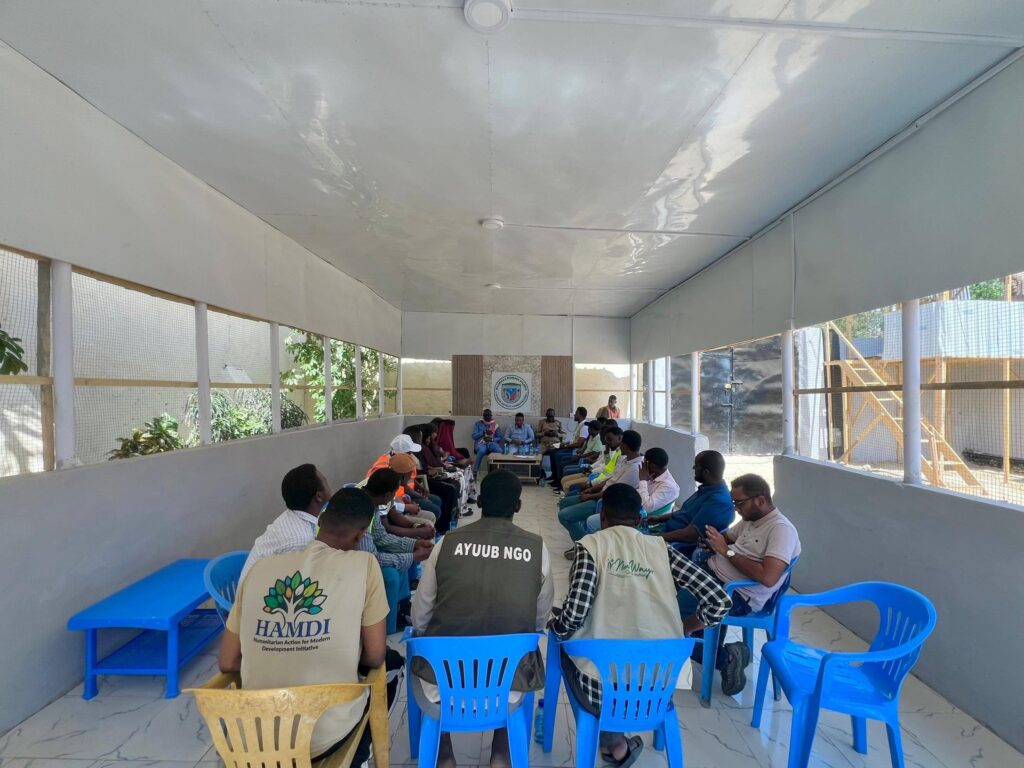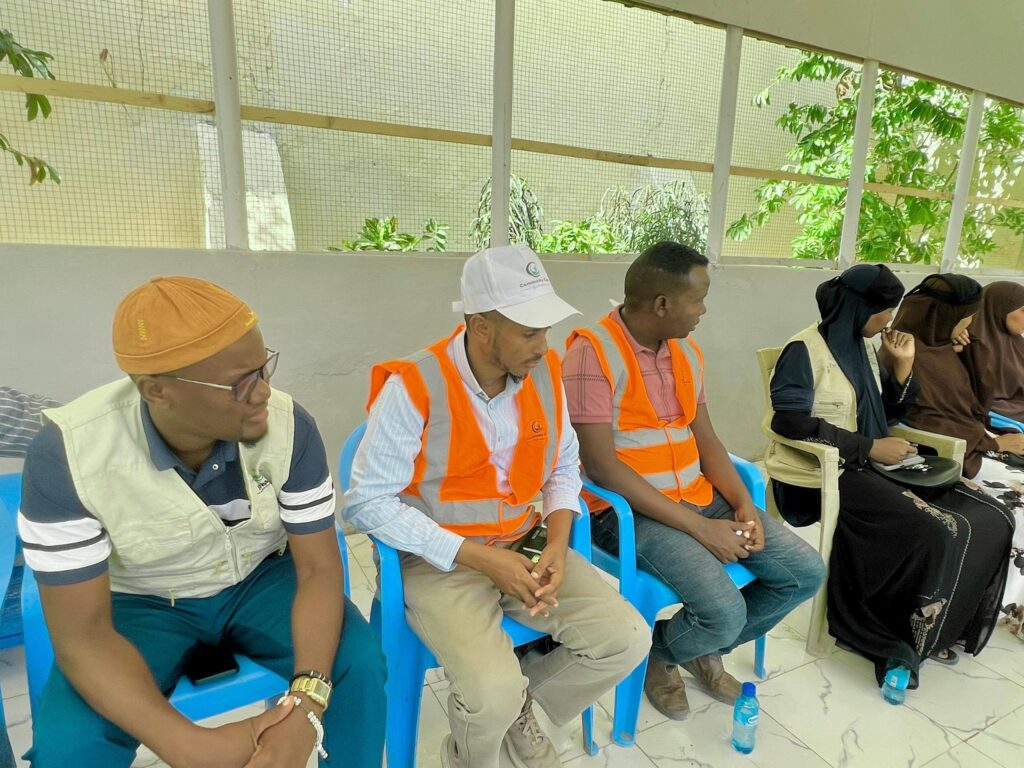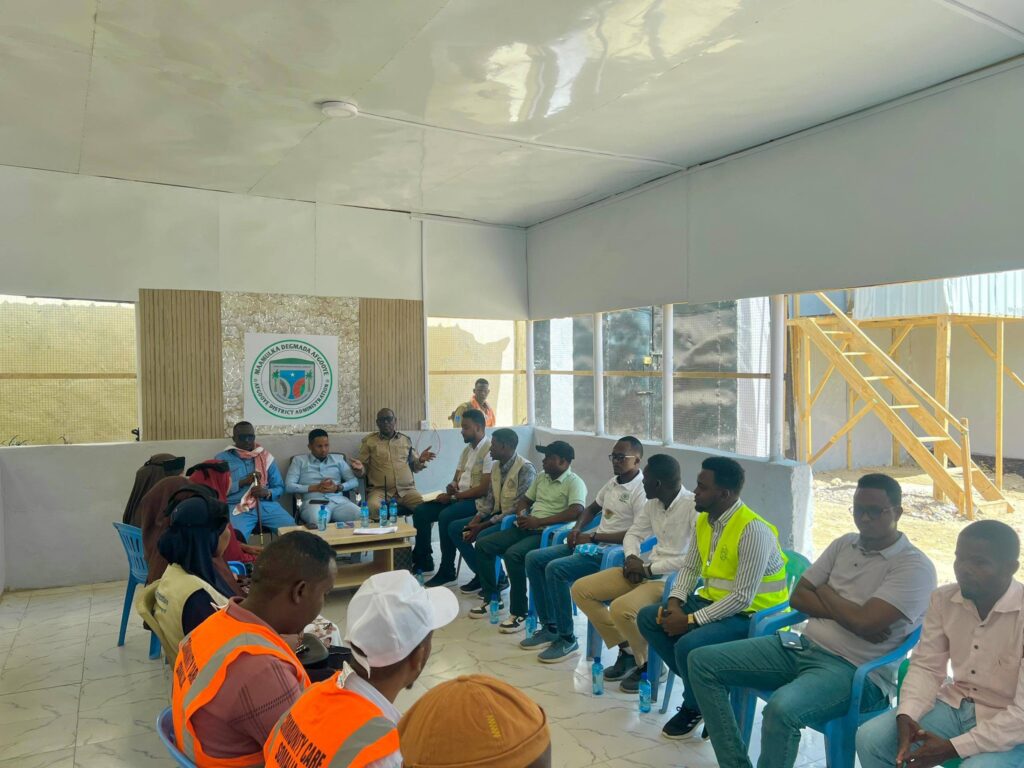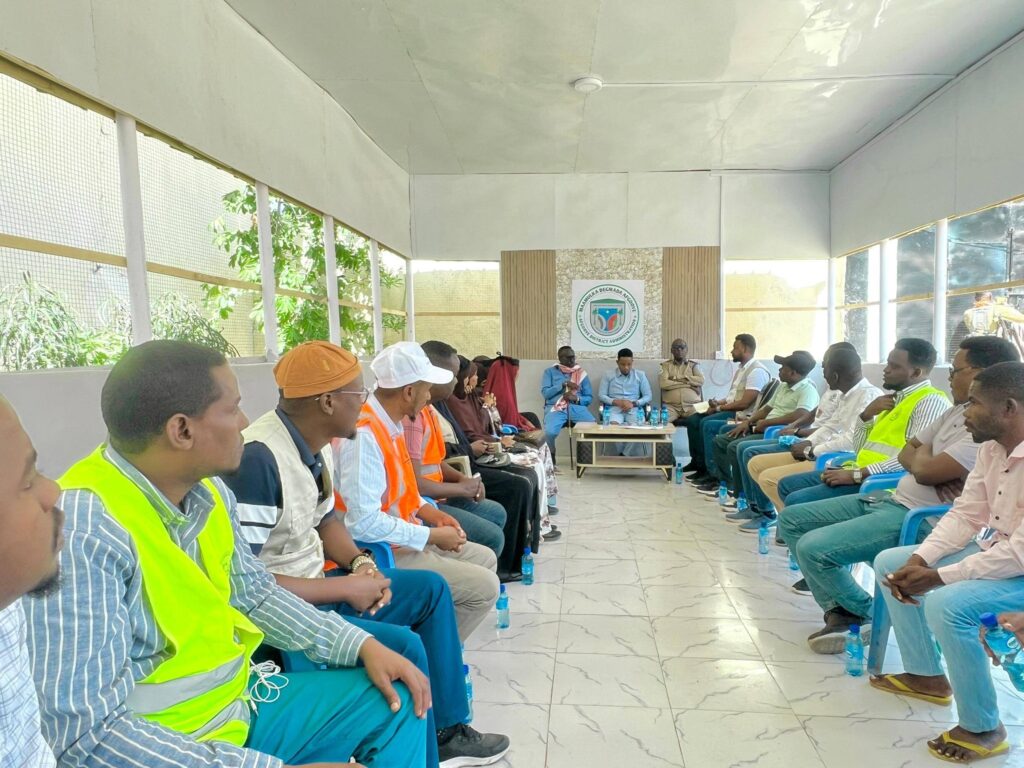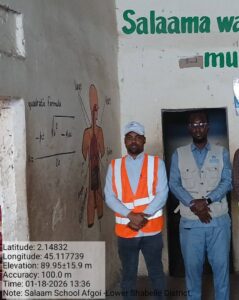
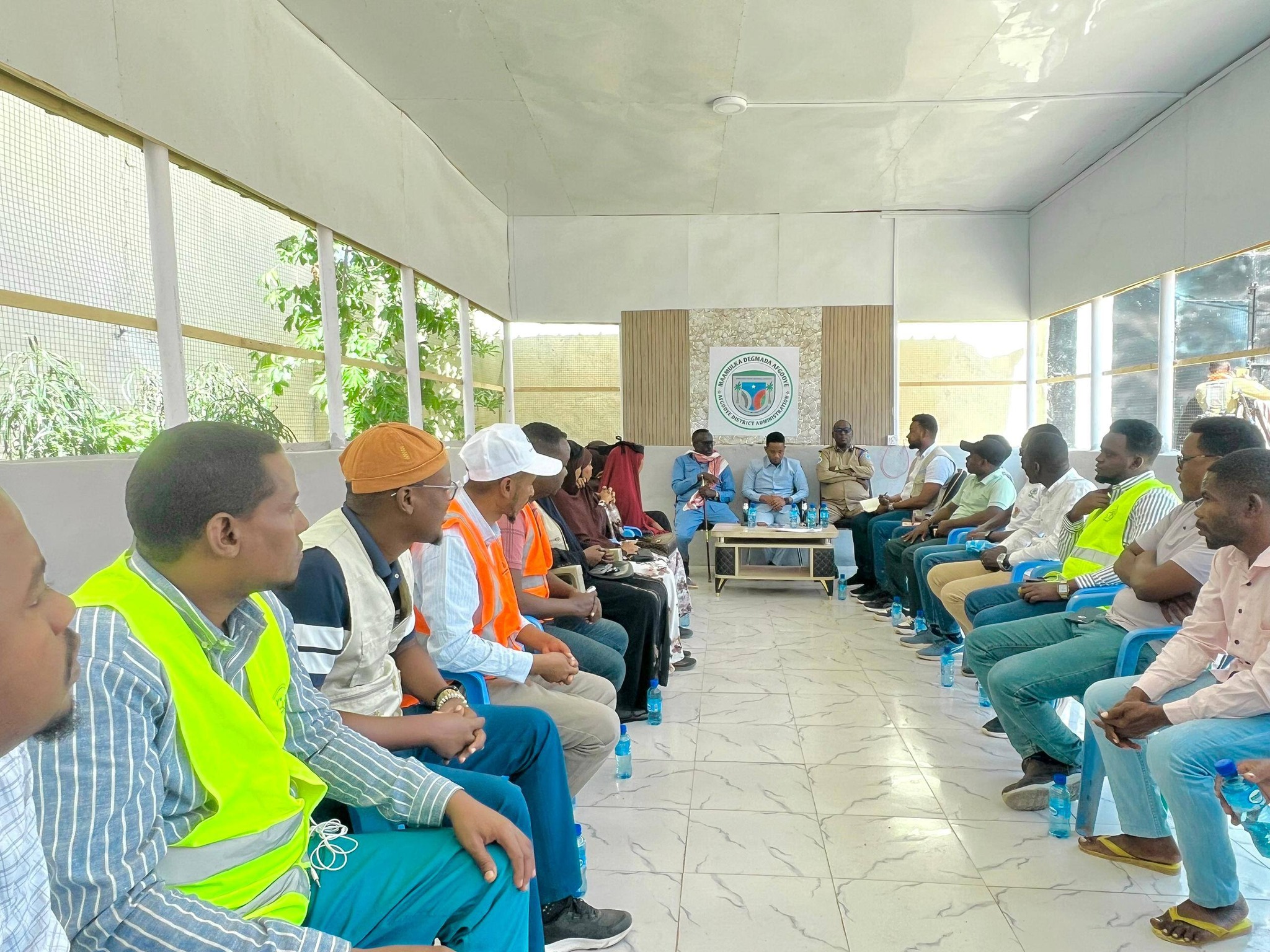
Community Care Somalia (CCS) is conducting a WASH Rapid Needs Assessment (RNA) targeting drought-affected communities in the Lower Shabelle region. This assessment aims to evaluate the immediate impact of the ongoing drought on access to safe water, sanitation services, and hygiene conditions among vulnerable populations.
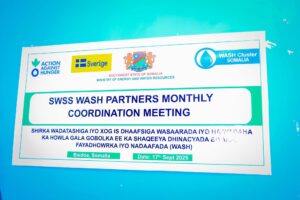
The assessment is being carried out in close coordination with the Ministry of Energy and Water Resources of the Southwest State of Somalia. The WASH Cluster, led by UNICEF, is providing overall leadership and coordination to ensure that the process is systematic, data-driven, and aligned with humanitarian response standards.
Purpose of the Assessment
The primary objective of the WASH Rapid Needs Assessment is to:
- Identify urgent water shortages and access gaps
- Evaluate the functionality of existing water sources
- Assess sanitation infrastructure and hygiene practices
- Determine priority locations for immediate intervention
- Inform coordinated humanitarian planning and resource allocation
The ongoing drought has significantly strained water resources, increased the risk of waterborne diseases, and heightened vulnerability among rural and displaced communities. Timely data collection and analysis are critical to designing effective and targeted WASH responses.
Expected Impact
The findings from this assessment will guide the implementation of evidence-based interventions, including emergency water supply support, rehabilitation of water points, sanitation improvements, and hygiene promotion activities. By strengthening coordination among humanitarian actors and government institutions, the assessment will contribute to delivering timely, efficient, and life-saving WASH services to affected communities.
Community Care Somalia (CCS) remains committed to working collaboratively with government authorities and humanitarian partners to ensure that drought-affected populations receive the essential support they need to maintain health, dignity, and resilience.